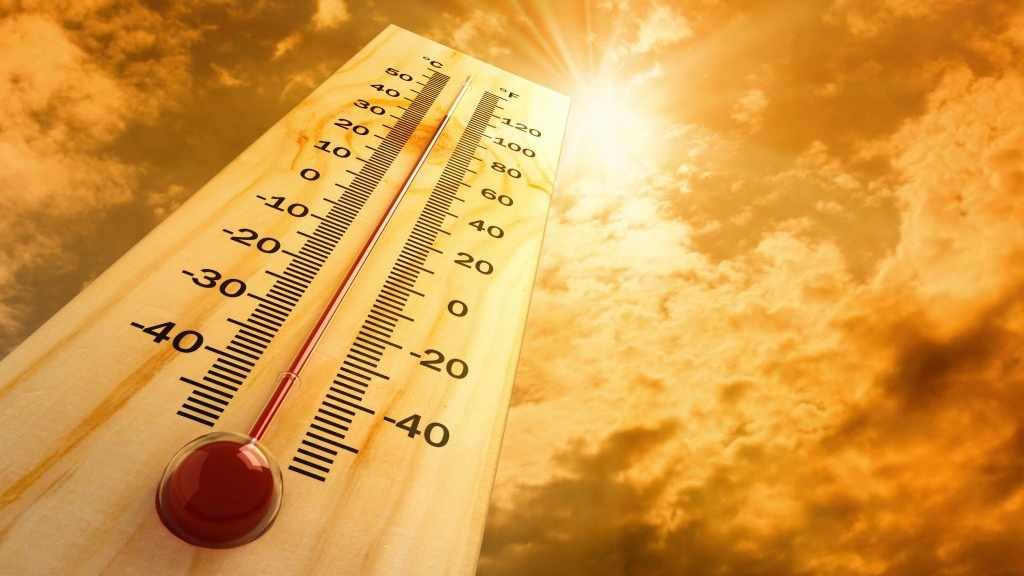
Heatstroke Deaths Rise in India: Extreme heatwaves across several parts of India have raised serious concerns about public health and safety. With temperatures crossing dangerous levels in many states, heatstroke cases and related deaths have increased significantly. In response, multiple state governments have announced ₹4 lakh compensation for families of heatstroke victims, while insurance companies and policy experts are highlighting the need for better heat-related risk coverage.
At the same time, the growing climate crisis has prompted discussions about insurance protection against extreme weather events. As heatwaves become more frequent and intense, both governments and insurers are exploring ways to provide financial security to vulnerable populations. The compensation schemes and emerging insurance products aim to reduce the financial burden on affected families while promoting awareness about heat safety.
Highlights of Heatstroke Compensation and Insurance Measures
| Key Point | Details |
|---|---|
| Government Compensation | Up to ₹4 lakh compensation announced by several states for heatstroke deaths |
| Cause of Concern | Rising heatwave intensity and prolonged high temperatures |
| Beneficiaries | Families of individuals who died due to confirmed heatstroke |
| Insurance Trend | Growing interest in climate risk and heatwave insurance policies |
| Preventive Measures | Public advisories, cooling centers, hydration campaigns |
| Policy Discussions | Need for inclusive disaster insurance coverage |
Rising Heatwave Threat in India
India has been witnessing longer and more severe heatwaves over the past decade. Climate experts attribute this trend to global warming, urban heat islands, and changing weather patterns.
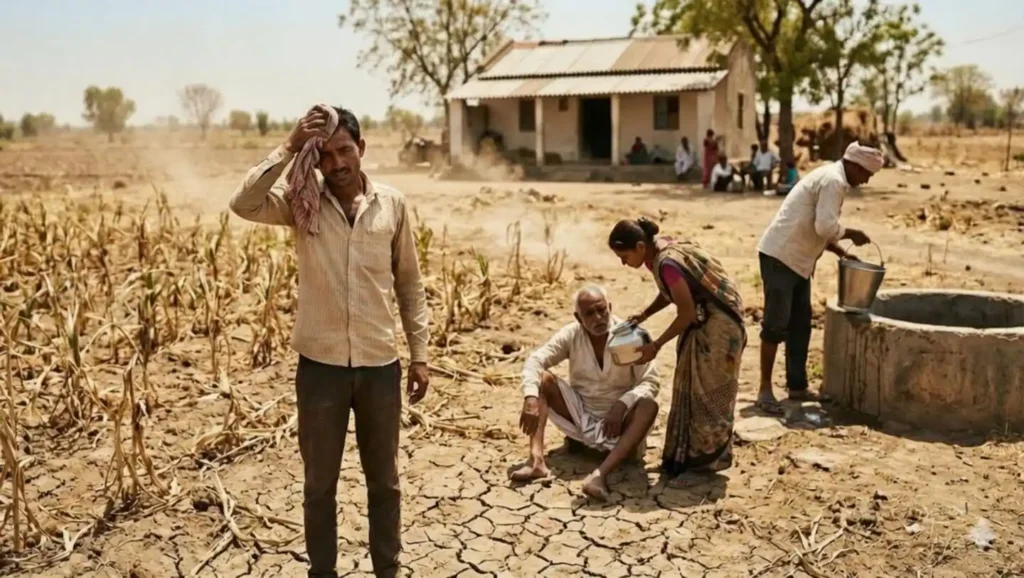
During peak summer months, several regions record temperatures above 45°C, creating dangerous conditions for outdoor workers, elderly individuals, and those without access to cooling facilities. Heatstroke occurs when the body’s temperature regulation system fails, leading to rapid body temperature rise, dehydration, and organ failure.
Key factors increasing heatstroke risks include:
- Prolonged exposure to high temperatures
- Lack of hydration
- Outdoor physical work in extreme heat
- Limited access to cooling spaces
- Pre-existing health conditions
Government agencies have issued heatwave alerts and safety advisories, but the growing number of fatalities has highlighted the need for stronger safety mechanisms and financial protection.
₹4 Lakh Compensation for Heatstroke Deaths
To support families affected by heatwave tragedies, several state governments have introduced financial compensation schemes. Under these programs, the family of a person who dies due to heatstroke can receive ₹4 lakh assistance.
The compensation typically falls under disaster relief or state emergency funds, recognizing heatwaves as a natural disaster.
Eligibility Criteria for Compensation
While the exact guidelines may vary between states, the general conditions include:
- Death must be officially confirmed as heatstroke
- Medical certification from authorized health authorities
- Verification by local administration
- Submission of required documents by the victim’s family
Documents Usually Required
Families seeking compensation may need to submit:
- Death certificate
- Medical report confirming heatstroke
- Identity proof of the deceased
- Bank account details of the nominee
- Application form through district administration
This financial support helps families manage immediate expenses and income loss after the sudden death of a family member.
Why Heatstroke Is Becoming a Major Public Health Issue
Heatwaves are no longer considered short-term seasonal events. Experts warn that extreme heat is becoming one of the most dangerous climate-related threats in India.
Several reasons explain the growing concern:
Increasing Climate Extremes
Climate change has increased the frequency of record-breaking temperature events. Studies indicate that India may face longer and more intense heatwaves in the coming decades.
Urbanization and Heat Islands
Cities with dense buildings and limited green cover often experience urban heat island effects, where temperatures remain higher than surrounding rural areas.
Vulnerable Populations
Certain groups face higher risks:
- Construction workers
- Farmers and agricultural labourers
- Street vendors
- Elderly individuals
- Children
These populations often lack access to air conditioning, cooling shelters, or adequate hydration.
Growing Demand for Heatwave and Climate Risk Insurance
As heat-related disasters become more frequent, the insurance industry is exploring new risk coverage models.
Traditional insurance policies usually focus on:
- Accidents
- Hospitalization
- Life insurance coverage
However, climate-related risks like heatwaves, floods, and storms are encouraging insurers to develop specialized protection plans.
Emerging Insurance Solutions
Some insurers are exploring policies that include:
1. Heatwave insurance riders
These riders may provide compensation if extreme temperatures cause hospitalization or loss of income.
2. Weather index insurance
This type of insurance triggers payouts when temperature levels cross predefined thresholds, reducing delays in claims processing.
3. Occupational risk coverage
Certain insurance policies are being designed for outdoor workers and labor-intensive sectors exposed to extreme heat.
These products are still evolving but are gaining attention as climate risks grow worldwide.
Government Efforts to Prevent Heatstroke
In addition to compensation, authorities are implementing various heatwave preparedness measures.
Public Awareness Campaigns
Government departments and health authorities conduct campaigns encouraging people to:
- Drink plenty of water
- Avoid direct sunlight during peak hours
- Wear light-colored clothing
- Use hats or umbrellas outdoors
Cooling Centers and Water Stations
Several cities have started temporary cooling shelters and hydration stations to help residents cope with extreme heat.
Early Warning Systems
Meteorological agencies now issue heatwave alerts several days in advance, allowing local authorities to take preventive measures.
Workplace Safety Guidelines
Employers in construction and industrial sectors are being advised to:
- Adjust work schedules
- Provide rest breaks
- Ensure hydration facilities
- Avoid work during peak heat hours
These measures aim to reduce heatstroke cases before they occur.
How Families Can Protect Themselves Financially
While government compensation offers relief, experts emphasize the importance of personal financial planning and insurance protection.
Families can consider:
Life Insurance Coverage
A term life insurance policy ensures financial protection for dependents if the policyholder passes away due to unforeseen circumstances.
Health Insurance Plans
Health insurance can cover hospitalization expenses caused by heatstroke or dehydration-related illnesses.
Personal Accident Policies
These policies may provide additional compensation for sudden injuries or deaths caused by extreme environmental conditions.
Emergency Savings
Maintaining an emergency fund helps families manage unexpected medical or disaster-related expenses.
Preventing Heatstroke: Essential Safety Tips
Preventing heatstroke is possible with proper precautions.
Important safety tips include:
- Drink water frequently, even if not thirsty
- Avoid outdoor activity between 12 PM and 4 PM
- Wear loose, light-colored clothes
- Eat light meals and fruits with high water content
- Use umbrellas, hats, or scarves outdoors
- Check on elderly family members regularly
Recognizing early symptoms of heatstroke is also critical.
Warning Signs of Heatstroke
Common symptoms include:
- High body temperature
- Dizziness and headache
- Rapid pulse
- Confusion or fainting
- Nausea and vomiting
Immediate medical attention is necessary if these symptoms appear.
The Future of Climate Risk Protection
Experts believe that climate-related insurance solutions will become increasingly important in the coming years.
As extreme weather events become more frequent, governments and insurers may collaborate to develop:
- Affordable disaster insurance schemes
- Public-private climate risk protection programs
- Micro-insurance products for vulnerable communities
Such initiatives could provide faster financial relief and broader protection for millions of people affected by climate disasters.
The rising number of heatstroke deaths has highlighted the urgent need for both preventive health measures and financial safeguards.
Important Links
| Resource | Link |
|---|---|
| India Meteorological Department Heatwave Guidelines | https://mausam.imd.gov.in |
| National Disaster Management Authority Heatwave Advisory | https://ndma.gov.in |
| Ministry of Health Summer Safety Guidelines | https://mohfw.gov.in |
| National Disaster Response Fund Information | https://ndmindia.mha.gov.in |
FAQs About Heatstroke Deaths Rise in India
1. How much compensation do families receive for heatstroke deaths?
Many state governments provide ₹4 lakh compensation to families of individuals who die due to confirmed heatstroke under disaster relief programs.
2. Who is eligible for heatstroke compensation?
Families of victims whose deaths are officially certified as heatstroke by medical authorities and verified by local administration are typically eligible.
3. Can health insurance cover heatstroke treatment?
Yes, most health insurance policies cover hospitalization caused by heatstroke, dehydration, or related medical emergencies.
4. Why are insurers focusing on heatwave coverage?
With climate change increasing the frequency of extreme heat events, insurers are exploring specialized policies that provide financial protection against weather-related risks.