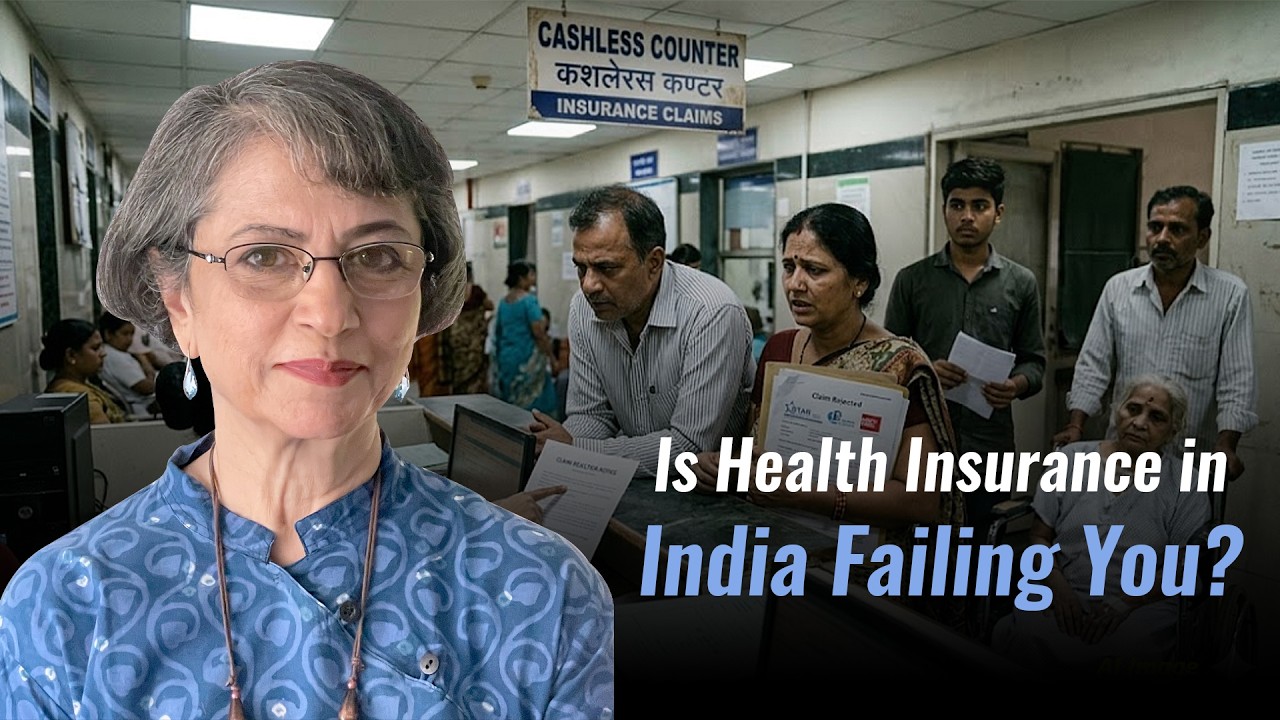
Indias Health Insurance Crisis: India’s health insurance sector is witnessing a growing crisis where policyholders are paying higher premiums but receiving lower benefits. Over the past few years, rising medical inflation, stricter policy terms, and increasing claim rejections have made health insurance less reliable for many families. What was once considered a safety net is now becoming a source of concern for policyholders across the country.
The situation is especially worrying as healthcare costs continue to surge, making insurance more essential than ever. However, gaps in coverage, hidden clauses, and limited awareness among consumers are reducing the overall value of insurance policies. This has raised important questions about transparency, affordability, and trust in India’s health insurance system.
Highlights of India’s Health Insurance Crisis
| Particulars | Details |
|---|---|
| Main Issue | Rising premiums with reduced coverage |
| Affected Group | Policyholders across income groups |
| Key Concerns | Claim rejection, hidden terms, limited coverage |
| Contributing Factors | Medical inflation, policy changes, insurer practices |
| Impact | Financial stress, reduced trust in insurers |
| Sector | Health Insurance |
Rising Premiums and Medical Inflation
One of the biggest reasons behind the crisis is medical inflation, which has been steadily increasing in India. The cost of hospitalization, surgeries, and medicines has risen sharply, forcing insurance companies to increase premiums.
However, while premiums have increased, coverage limits have not kept pace with actual healthcare costs. This means policyholders often end up paying a significant portion of expenses out of pocket, defeating the purpose of having insurance.
The mismatch between premium hikes and benefits provided is one of the key concerns driving dissatisfaction among consumers.
Reduced Coverage and Policy Limitations
Another major issue is the reduction in effective coverage due to policy limitations.
Many insurance policies come with:
Sub-limits on room rent and specific treatments
Co-payment clauses requiring policyholders to share expenses
Caps on certain procedures or diseases
These limitations significantly reduce the amount reimbursed during claims. Even when a policyholder has sufficient coverage on paper, actual payouts may be much lower due to these restrictions.
As a result, people feel they are getting less value despite paying higher premiums.
Also read: Bancassurance Under the Lens
Increasing Claim Rejections
A growing number of policyholders are facing claim rejections or partial settlements.
Common reasons for claim rejection include:
Non-disclosure of pre-existing conditions
Waiting period clauses
Exclusions in policy terms
Documentation errors
In many cases, policyholders are unaware of these conditions when purchasing the policy. This lack of awareness leads to unpleasant surprises during medical emergencies.
The rise in claim disputes has contributed to declining trust in health insurance providers.
Complex Policy Terms and Lack of Transparency
Health insurance policies are often filled with complex terms and conditions that are difficult for the average consumer to understand.
Key issues include:
Hidden exclusions and fine print
Ambiguous policy language
Frequent changes in policy terms
This complexity makes it challenging for policyholders to fully understand what is covered and what is not.
Improving transparency and communication is essential to restore confidence in the system.
Impact on Middle-Class Families
The health insurance crisis is particularly affecting middle-class families, who rely heavily on insurance for financial protection.
With rising premiums, many families are forced to:
Reduce coverage or opt for lower plans
Delay policy renewals
Pay higher out-of-pocket expenses during treatment
This creates financial stress and increases vulnerability during medical emergencies.
The situation highlights the need for affordable and comprehensive insurance solutions.
Role of Insurance Companies
Insurance companies play a crucial role in addressing this crisis.
They need to focus on:
Simplifying policy structures
Improving claim settlement processes
Enhancing transparency in communication
Adopting technology can also help streamline operations and reduce claim processing time.
Customer-centric policies and fair practices are essential for rebuilding trust.

Government and Regulatory Intervention
Regulatory bodies have an important role in ensuring fair practices in the insurance sector.
Measures that can help include:
Stricter regulations on policy transparency
Monitoring premium hikes and claim settlement ratios
Encouraging standardization of policy terms
Government initiatives aimed at expanding health coverage can also help reduce the burden on individuals.
Improved regulation can create a more balanced and consumer-friendly insurance ecosystem.
Importance of Consumer Awareness
One of the most effective ways to tackle the crisis is by increasing consumer awareness.
Policyholders should:
Carefully read policy documents
Understand exclusions and waiting periods
Compare different insurance plans before purchasing
Being informed can help consumers make better decisions and avoid unexpected issues during claims.
Awareness campaigns and financial literacy programs can play a key role in empowering consumers.
Digital Transformation in Health Insurance
Technology is gradually transforming the health insurance sector.
Digital platforms are making it easier to:
Compare policies online
Track claims in real time
Access customer support quickly
Insurers are also using data analytics to improve risk assessment and pricing.
While digital transformation offers opportunities, it must be accompanied by strong consumer protection measures.
Future Outlook of Health Insurance in India
The future of health insurance in India depends on how effectively the current challenges are addressed.
With rising healthcare needs, insurance will continue to play a vital role. However, the sector must focus on:
Improving affordability and accessibility
Enhancing customer experience
Ensuring fair and transparent practices
If these issues are resolved, health insurance can regain its position as a reliable financial safety net.
Important Links
| Description | Link |
|---|---|
| IRDAI Official Website | https://www.irdai.gov.in |
| National Health Authority | https://nha.gov.in |
| Policy Comparison Portal | https://policybazaar.com |
| Government Health Schemes | https://pmjay.gov.in |
FAQ’s About Indias Health Insurance Crisis
1. Why are health insurance premiums increasing in India?
Premiums are rising due to medical inflation, higher treatment costs, and increased claims.
2. Why do policyholders get less coverage despite higher premiums?
This is due to policy limitations, sub-limits, co-payments, and exclusions that reduce actual payouts.
3. How can consumers avoid claim rejections?
Consumers should read policy terms carefully, disclose all medical details, and maintain proper documentation.
4. What can improve the health insurance system in India?
Better transparency, regulation, and consumer awareness can significantly improve the system.
India’s health insurance crisis highlights the urgent need for reforms to ensure that policyholders receive fair value, reliable coverage, and financial protection in times of need.