Federal Crop Insurance is a crucial support system designed to protect farmers from financial losses caused by natural disasters, market fluctuations, and unpredictable weather conditions. In modern agriculture, where risks are increasing due to climate change and economic uncertainty, crop insurance plays a vital role in ensuring the stability and sustainability of farming operations.
This government-backed insurance program helps farmers safeguard their income by providing compensation when crops fail or yields fall below expected levels. By reducing financial risks, Federal Crop Insurance programs encourage farmers to invest in better technology, seeds, and farming practices, ultimately strengthening the agricultural sector.
Federal Crop Insurance Overview
| Particulars | Details |
|---|---|
| Program Name | Federal Crop Insurance |
| Purpose | Protect farmers from crop losses |
| Coverage Type | Yield and Revenue Protection |
| Beneficiaries | Farmers and Agricultural Producers |
| Risk Factors Covered | Weather, Natural Disasters, Market Price Changes |
| Managed By | Government-supported agencies |
| Importance | Financial stability for farmers |
What Is Federal Crop Insurance
Federal Crop Insurance is a government-supported program that provides financial protection to farmers against crop losses. These losses may occur due to factors such as drought, floods, pests, diseases, or price drops in the market.
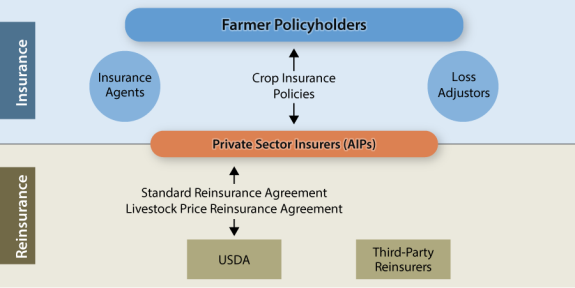
The program is typically administered through partnerships between government agencies and private insurance companies. Farmers pay a premium, and in return, they receive compensation when their crops are damaged or yields fall below insured levels.
This system ensures that farmers can recover from losses and continue their agricultural activities without facing severe financial hardship.
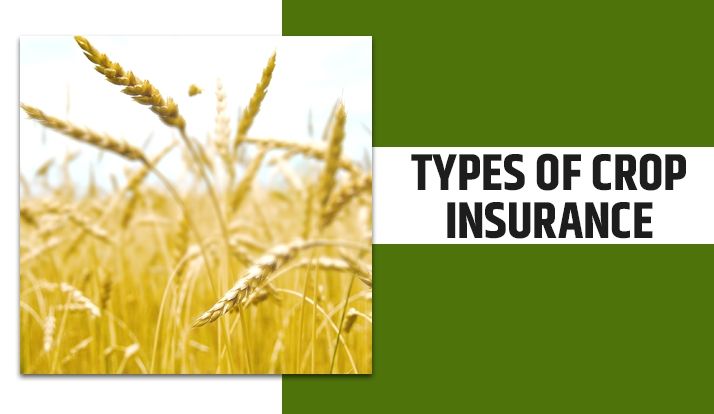
Types of Federal Crop Insurance Coverage
There are different types of coverage available under Federal Crop Insurance, each designed to meet specific needs.
Yield Protection is one of the most common types, where farmers are compensated if their crop yield falls below a predetermined level. This type of insurance focuses on production risks caused by natural events.
Revenue Protection covers both yield losses and price fluctuations. It ensures that farmers receive compensation if their overall revenue drops due to lower production or falling market prices.
Another type is Area Risk Protection, which provides coverage based on the performance of a specific geographic area rather than individual farms. This approach helps address widespread agricultural risks.
Also read: Personal Insurance in 2026: Stability Returns as Underwriting Tightens Across the Industry
Benefits of Federal Crop Insurance
Federal Crop Insurance offers several important benefits for farmers and the agricultural economy.
One major advantage is financial security, as farmers are protected from unexpected losses. This stability allows them to plan their farming activities with confidence.
The program also encourages investment in agriculture, as farmers are more willing to adopt advanced techniques and technologies when their risks are minimized.
Another key benefit is the promotion of sustainable farming practices, as insurance coverage supports long-term agricultural growth and resilience.
How Federal Crop Insurance Works
The functioning of Federal Crop Insurance is based on a structured process.
Farmers select a suitable insurance plan based on their crops and risk levels. They then pay a premium, which is often partially subsidized by the government.
During the growing season, if a loss occurs due to covered risks, the farmer files a claim. The insurance provider assesses the damage and determines the compensation amount.
Once approved, the payment is made to the farmer, helping them recover from losses and continue operations.
Eligibility Criteria for Farmers
To benefit from Federal Crop Insurance, farmers must meet certain eligibility conditions.
They must be actively engaged in farming and produce eligible crops. The crops should be listed under the insurance program.
Farmers are also required to provide accurate information about their land, crop history, and production practices. Meeting deadlines for application and premium payment is essential.
Importance in Modern Agriculture
In today’s agricultural landscape, Federal Crop Insurance has become more important than ever.
With increasing climate variability, farmers face higher risks of crop failure. Insurance programs provide a safety net, ensuring that farmers can survive difficult seasons.
The program also supports the overall economy by stabilizing food production and supply. By reducing the financial burden on farmers, it contributes to the growth of the agricultural sector.
Challenges and Limitations
Despite its benefits, Federal Crop Insurance also has some challenges.
One of the main concerns is the cost of premiums, which may be high for some farmers despite government subsidies. Another issue is the complexity of policies, which can make it difficult for farmers to understand coverage details.
Additionally, delays in claim processing may occur in certain cases, affecting timely compensation.
Read about: NaBFID Recruitment 2026
Future of Federal Crop Insurance
The future of Federal Crop Insurance is focused on innovation and improvement.
Advancements in technology, such as satellite monitoring and data analytics, are expected to enhance risk assessment and claim processing.
Governments are also working to expand coverage and make insurance more accessible to small and marginal farmers.
As agriculture continues to evolve, Federal Crop Insurance will remain a key tool for ensuring sustainability and resilience.
FAQ’s About Federal Crop Insurance
What does Federal Crop Insurance cover
It covers crop losses due to natural disasters, weather conditions, pests, diseases, and price fluctuations.
Is Federal Crop Insurance mandatory for farmers
No, it is optional, but it is highly recommended for farmers to protect against financial risks.