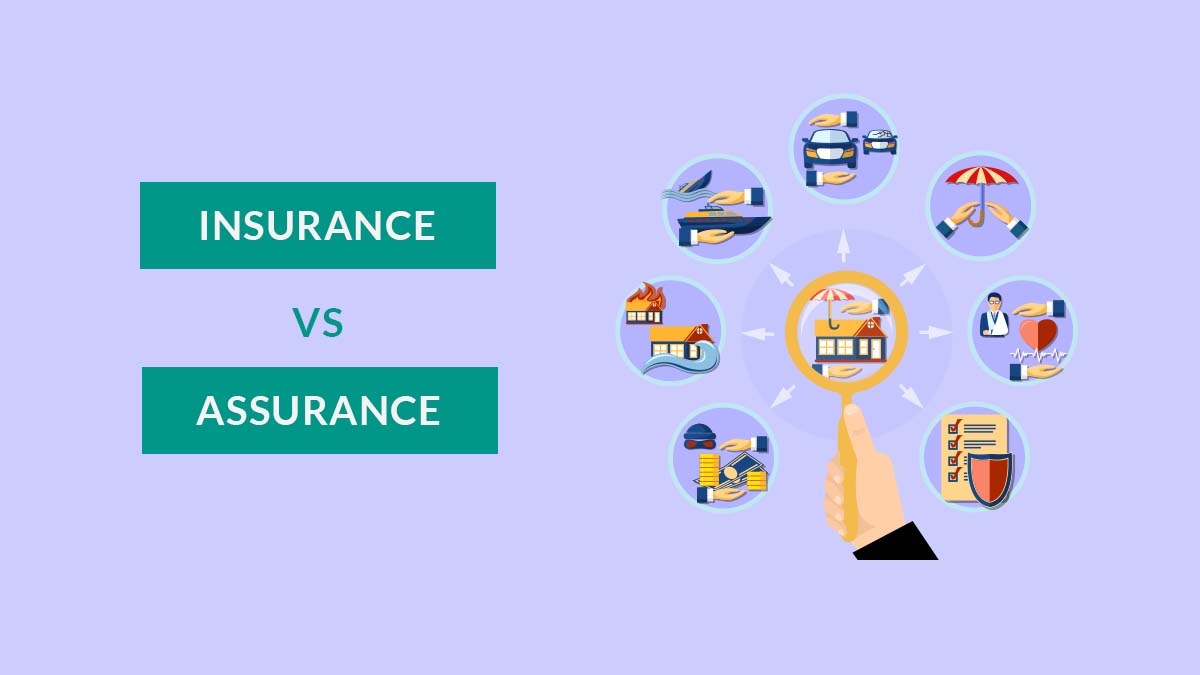
Insurance vs Assurance Services: In today’s fast-evolving risk landscape, consumers are rethinking how they protect their health, travel plans, vehicles, gadgets, and overall lifestyle. Traditionally, insurance has been the primary shield against financial loss. However, the post-pandemic world has shifted expectations. People no longer want just reimbursement after something goes wrong — they want immediate support when things go wrong.
Understanding the Core Difference
According to Neeraj Verma, CEO of Across Assist, the difference between the two lies in their purpose and timing. Insurance primarily focuses on financial reimbursement. If you face a medical emergency, a car accident, or a travel disruption, your insurer compensates you for the financial loss as per policy terms.
Assurance services, on the other hand, focus on real-time operational support. They provide assistance during the emergency itself — whether it’s arranging hospital admission, roadside assistance, emergency travel coordination, or on-ground logistical help.
Also read: The Bad Food a Cardiologist Actually Recommends for Better Heart Health – And It’s a Dessert!
Why Traditional Insurance Alone May Not Be Enough
Insurance policies are crucial, but they are often reactive. They step in after a loss occurs and documentation is submitted. This process can take days or even weeks.
However, emergencies demand immediate action.
Consider these real-life scenarios:
- You fall ill while traveling abroad.
- Your car breaks down late at night on a highway.
- Your baggage is lost during an international trip.
- A critical gadget stops working during an important business meeting.

Post-COVID Shift: From Luxury to Necessity
The COVID-19 pandemic dramatically reshaped consumer expectations.
Before the pandemic, assurance services were often seen as premium add-ons, mainly used by high-net-worth individuals (HNIs). But the global health crisis exposed how critical immediate support can be during emergencies.
The pandemic highlighted key realities:
- Travel disruptions can happen overnight.
- Hospital access may require coordination.
- Emergency logistics matter as much as financial reimbursement.
- Global mobility comes with unpredictable risks.
Peace of Mind: The Hidden Value
One of the most significant benefits of assurance services is psychological comfort.
Insurance promises financial recovery, but assurance offers:
- 24/7 helplines
- Dedicated support teams
- Crisis coordination
- On-ground service networks
Read about: Star Health and Allied Insurance Rejects Lucknow Man’s Viral Allegation Over Mother’s Claim Rejection
How Consumers Should Decide
When evaluating protection plans, consumers should ask:
- Does my insurance include operational assistance?
- If yes, what exactly is covered?
- Is the assistance available domestically and internationally?
- Does my lifestyle require additional assurance coverage?
The Future of Protection: Integrated Models
The future of risk protection lies in integration. Financial reimbursement and real-time support are no longer separate expectations. Consumers want seamless experiences. The demand for hybrid protection solutions will only grow as mobility, technology usage, and global interconnectedness increase.
Final Thoughts
Insurance remains the foundation of financial protection. It safeguards assets, health, and travel investments from monetary loss. But in today’s fast-paced, unpredictable environment, reimbursement alone is not enough. Assurance services provide the operational backbone stepping in during emergencies, coordinating solutions, and offering peace of mind.