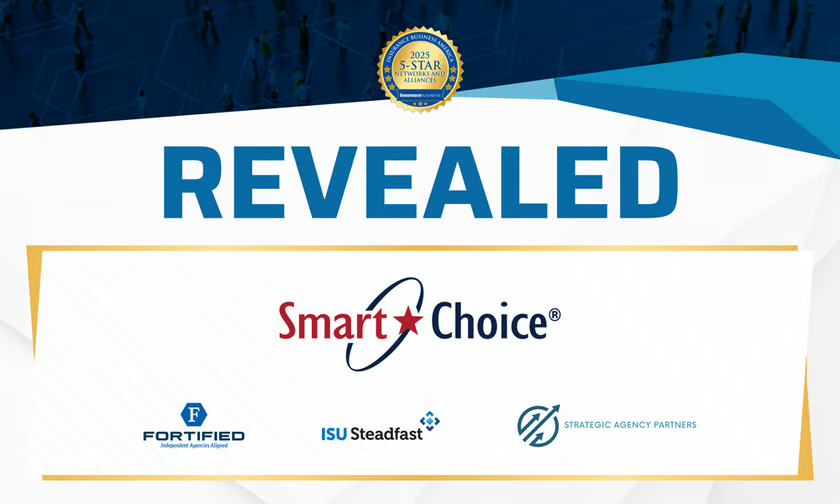
Top US Insurance Networks: In a rapidly evolving insurance landscape, staying competitive requires more than just selling policies—it demands access to cutting-edge tools, broad product portfolios, and strategic partnerships. Insurance Business America (IBA) has recently published its annual report revealing the top-performing insurance networks and alliances in the US for 2025. This comprehensive analysis comes at a pivotal moment as insurance agents face mounting challenges from digital disruption, data-driven decision-making, and the integration of artificial intelligence (AI) in their operations.
As competition intensifies, networks are becoming essential strategic resources for agents seeking to adapt to the changing market. By joining these powerful alliances, agents gain access to collective data insights, wider carrier options, and enhanced marketing and branding support, allowing them to thrive in a complex environment where customer expectations are higher than ever.
The Rise of Networks in the Insurance Industry
Why Insurance Agents Are Joining Networks
Insurance networks and alliances serve as critical platforms for agents to remain relevant and competitive. According to IBA’s latest survey, the primary reason driving agents to join a network is the ability to access a broader range of insurance carriers and products. In 2025, 88.3% of surveyed agents cited this as their main reason, up from 75% in the previous year.
This substantial increase reflects growing client demands for customized solutions, as well as the difficulty agents face in managing a fragmented market. Networks empower agents to offer more specialized and non-traditional insurance products, providing a competitive edge in today’s fast-paced industry.
Navigating the Digital Transformation
As the insurance industry undergoes a digital transformation, networks are increasingly offering technological resources that help agents remain competitive. From sophisticated customer relationship management (CRM) tools to AI-driven risk assessment platforms, these networks support agents in managing business efficiently while enhancing customer experience.
Political and regulatory shifts are also influencing network structures. Some networks now offer models where agents can retain full commissions in exchange for a monthly fee, while others operate on commission-sharing systems with no upfront costs, allowing for flexibility based on individual business models.
IBA’s Evaluation Process and Criteria
How Top Networks Were Chosen
The IBA report is based on extensive nationwide surveys conducted with insurance agents. Agents were asked to evaluate networks across ten key performance metrics, rated from 1 (poor) to 10 (excellent):
- Availability of Insurance Companies and Products
- Commission Structures and Profit Sharing
- Access to Specialized and Non-Traditional Markets
- Marketing and Branding Support
- Training and Professional Development
- Administrative Assistance
- Technology Access
- Business Consulting Services
- Succession and Perpetuation Planning
- Discounts from Vendors
Networks that achieved an average score of 8 or higher in at least one category were awarded a 5-star rating, while those meeting the threshold across all categories gained top recognition as industry leaders. This rigorous evaluation process ensures that the most effective and agent-centric networks receive well-deserved acknowledgment.
Read about: UPI Rule Changes 2025: Higher Limits for Insurance, Loans, Travel Payments – What You Need to Know
Trends Driving Insurance Network Choices in 2025
1. Access to Wider Product Portfolios
The biggest motivator for network participation remains the ability to offer a broad and competitive range of insurance products. As consumer demands diversify, networks empower agents by aggregating carriers and specialized products that might otherwise be inaccessible.
2. Emphasis on Digital Tools and Data Resources
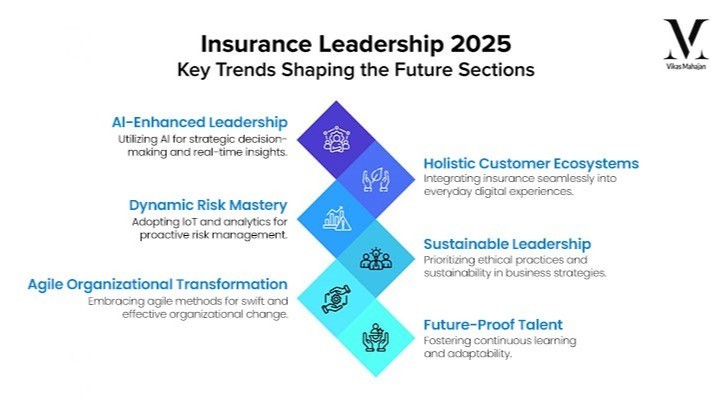
More than ever, networks are emphasizing access to advanced digital platforms, enabling agents to streamline operations, improve customer insights, and offer data-driven recommendations. This shift reflects the industry’s reliance on technology and data for enhanced decision-making.
3. Evolving Commission Structures
With changing regulations and economic pressures, flexible commission models are becoming a trend. Networks that allow agents to retain full commissions for a fixed fee are gaining popularity, offering predictable costs while supporting entrepreneurial freedom.
4. Enhanced Training and Support
Networks increasingly invest in professional development programs to help agents navigate new regulations, digital tools, and advanced product offerings. Training remains a critical factor in empowering agents to provide expert advice and grow their business.
Conclusion: The Future of Insurance Networks in 2025
The Insurance Business America (IBA) report underscores the growing importance of networks and alliances in shaping the future of the insurance industry. With digital disruption, regulatory changes, and customer expectations rising, agents need more than traditional support—they need strategic partnerships.
By offering access to a wide range of carriers, advanced technology, and flexible commission models, top networks are helping agents stay competitive and deliver superior service. The 88.3% of agents who now prioritize product diversity highlight a significant industry shift, reflecting the complexity of modern consumer needs.
Furthermore, networks play a crucial role in reducing administrative burden and providing business consulting services, ensuring that agents can focus on their core mission: helping clients find the right insurance solutions.
As 2025 progresses, insurance agents must stay informed about the best-performing networks and strategically align with those that offer the greatest value. Whether it’s through enhanced training, technology access, or flexible business models, the right network partnership can determine success in an increasingly competitive landscape.
Also read: Chery Tiggo 8 Review: A Budget-Friendly Seven-Seat SUV Challenging the Market
Frequently Asked Questions
1. What is an insurance network, and why is it important for agents?
An insurance network is a structured group of independent insurance agents that join together to access shared resources such as carrier partnerships, marketing support, and technology platforms. Networks help agents remain competitive by offering a broader range of products, advanced digital tools, and access to specialized markets, which might be difficult to obtain individually.
2. How do commission structures in insurance networks work?
Commission structures in insurance networks vary. Some networks offer models where agents retain 100% of commissions in exchange for a fixed monthly fee, providing stability and control over earnings. Others operate on a commission-sharing basis without upfront costs, where agents and networks split commissions based on performance. This flexibility enables agents to select models that fit their business strategy.
3. What role does technology play in modern insurance networks?
Technology is central to modern insurance networks. Many offer CRM systems, AI-powered risk assessment tools, and digital quoting platforms that help agents operate more efficiently. These tools streamline administrative tasks, improve customer service, and allow for data-driven insights, making it easier to match clients with appropriate policies.
4. Why is access to specialized and non-traditional markets important for agents?
Specialized and non-traditional markets allow agents to offer unique or niche insurance products, such as cyber insurance, pet insurance, or high-risk business coverage. These products are increasingly in demand as clients face evolving risks. Access to such markets helps agents meet diverse client needs and differentiate their services from the competition.
5. How does training and professional development support agent success?
Insurance networks invest in ongoing training programs, certifications, and industry updates to help agents stay current with regulatory changes, new product offerings, and digital tools. This empowers agents to provide informed advice, enhance service quality, and adapt to market shifts, all of which are critical for long-term success in the industry.