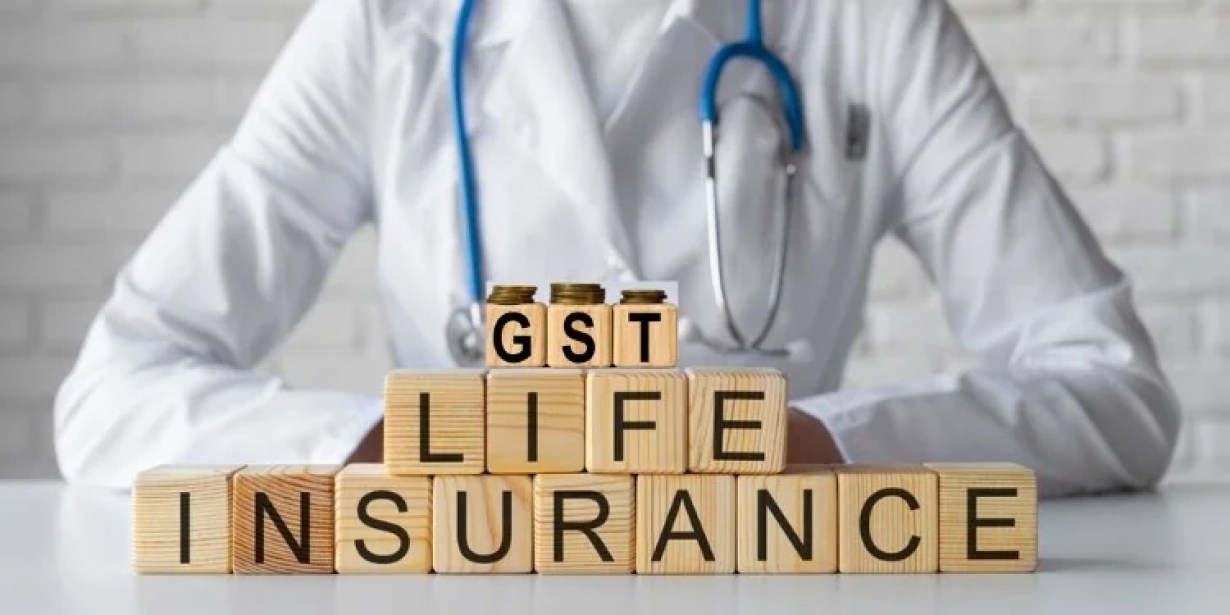
Zero GST on Health Insurance: The Indian health insurance landscape is witnessing a transformative shift following the government’s landmark decision to remove Goods and Services Tax (GST) on health and life insurance premiums. Implemented on September 22, 2025, this policy move has instantly made insurance more affordable and accessible, triggering a 38% surge in demand for health insurance plans, according to a new Policybazaar report.
Previously, GST imposed an 18% levy on health insurance premiums, often deterring individuals—especially middle-income families and senior citizens—from purchasing or upgrading their coverage. The exemption has now eliminated this additional financial burden, leading to a significant rise in policy uptake across all demographics and regions. Consumers are not only buying new policies but also opting for higher sum insured (SI) options, reflecting a growing awareness about the need for robust financial protection against soaring medical costs.
GST Exemption
Government’s Policy Decision
Following the GST rate rationalisation meeting, the Central government announced a zero-GST policy on all health and life insurance plans. The exemption applies to both individual and family floater policies, making premiums significantly cheaper and encouraging more people to purchase coverage.
The decision aligns with the government’s broader vision to enhance financial inclusion and strengthen India’s healthcare safety net. By removing GST, the government aims to make insurance a household necessity rather than a luxury reserved for the urban elite.
Impact on Health Insurance Demand
The Policybazaar report found that the overall demand for health insurance surged by 38% post-GST exemption. This rise reflects growing awareness and willingness among consumers to invest in quality healthcare coverage.
Notably, 45% of buyers are now choosing policies in the ₹15–25 lakh range, compared with only 24% choosing ₹10–15 lakh coverage, and a mere 18% still preferring plans below ₹10 lakh. This marks a distinct shift toward high-sum insured plans, suggesting that customers are becoming more proactive about securing comprehensive protection.
Millennials and Seniors Drive the Surge
Changing Preferences Across Age Groups
One of the most interesting findings from the report is the increased participation of millennials and senior citizens in the higher coverage segment. Younger policyholders are seeking long-term protection against unpredictable medical expenses, while older individuals are showing a greater sense of urgency to safeguard their retirement years.
Among elderly customers aged 61 to 75 and above 75 years, there has been an 11.54% increase in the purchase of high-sum insured plans. This trend reflects a significant change in mindset — senior citizens are now recognising that comprehensive health insurance is not optional but essential for managing the rising costs of healthcare and medications.
Rise of Tier-2 and Tier-3 City Participation
Health insurance adoption is no longer limited to urban India. The report shows that smaller cities are catching up fast, with the preference for low coverage dropping from 24.1% to 16.8%. Meanwhile, the share of customers in these areas opting for ₹15–25 lakh coverage rose by 10.2%, from 44.1% to 48.6%.
This data clearly indicates that health insurance awareness is penetrating deeper into semi-urban and rural markets, aided by digital platforms, government initiatives, and now, the GST exemption.
Read about: Supreme Court: Centre Must Ensure Insurance Claims for Private Doctors Who Died During COVID-19 Are Settled

Growing Popularity of Day-1 PED and Critical Illness Riders
Consumers are increasingly seeking add-on features for enhanced protection. According to the report, coverage options such as Day-1 Pre-Existing Disease (PED) benefits and Critical Illness Riders are witnessing strong traction.
These add-ons offer immediate protection for existing conditions and high-cost ailments like cancer, stroke, or organ failure — conditions that can otherwise drain life savings. The rise in add-on adoption suggests that Indian policyholders are becoming more financially literate and health-conscious.
Early Purchase Trend Among Younger Buyers
Another emerging trend is that young professionals in smaller towns are securing high-coverage policies earlier in life. By doing so, they lock in lower premiums and better coverage terms, avoiding exclusions or higher costs that typically come with age or pre-existing conditions.
Also read: Mazda Vision X-Compact: The Adorable Supermini That Could Revive the Mazda 2 Spirit
Strengthening India’s Health Security
The zero-GST move is more than a tax reform — it’s a step toward universal financial protection. India’s out-of-pocket medical expenses remain among the highest in the world, often pushing families into debt. By removing GST, the government is helping citizens safeguard their finances against medical inflation.
Insurers, too, are seeing this as a win-win scenario. Increased demand allows companies to innovate, expand product lines, and improve digital accessibility. Over time, this could lead to competitive pricing and better service standards, benefiting the entire ecosystem.